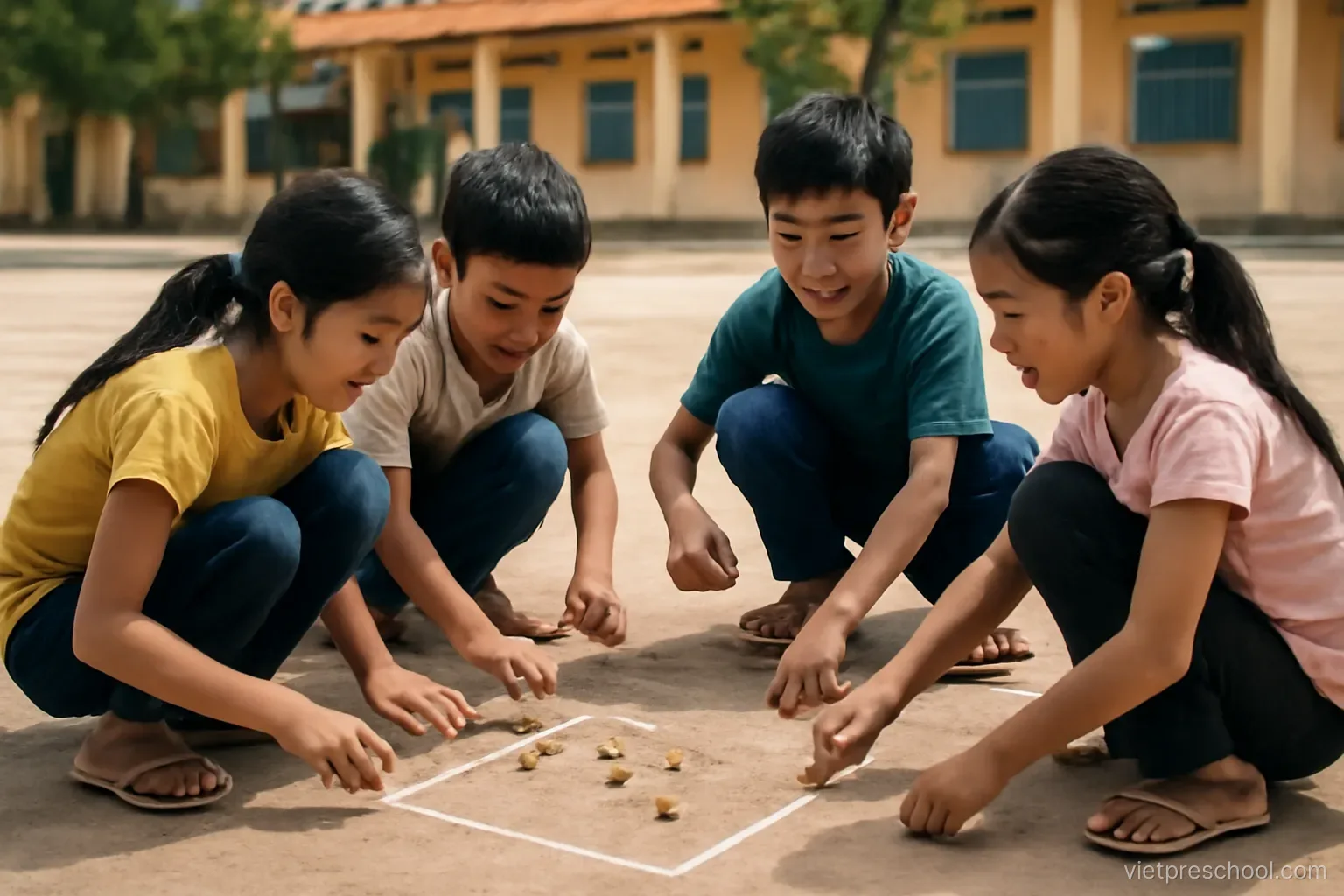
Understanding Vietnamese folk games saves families time, money and unnecessary worry. In this article, Viet Preschool takes a close look at "Vietnamese folk games to play anywhere in the world" from several angles, ending with answers to the questions we hear most.
A small note before we begin: every child is different, so treat the guidance below as a reference frame to adapt rather than a rulebook to follow. Games with simple rules teach turn-taking and fair play more effectively than any lecture on sharing ever could.
Playing together across generations
A little context here prevents a lot of confusion later. Play is the native language of childhood, and traditional games have survived precisely because they deliver joy with almost no equipment.
Making toys by hand, from folded paper boats to woven palm-leaf animals, connects children to generations of makers before them.
Skills children build through play
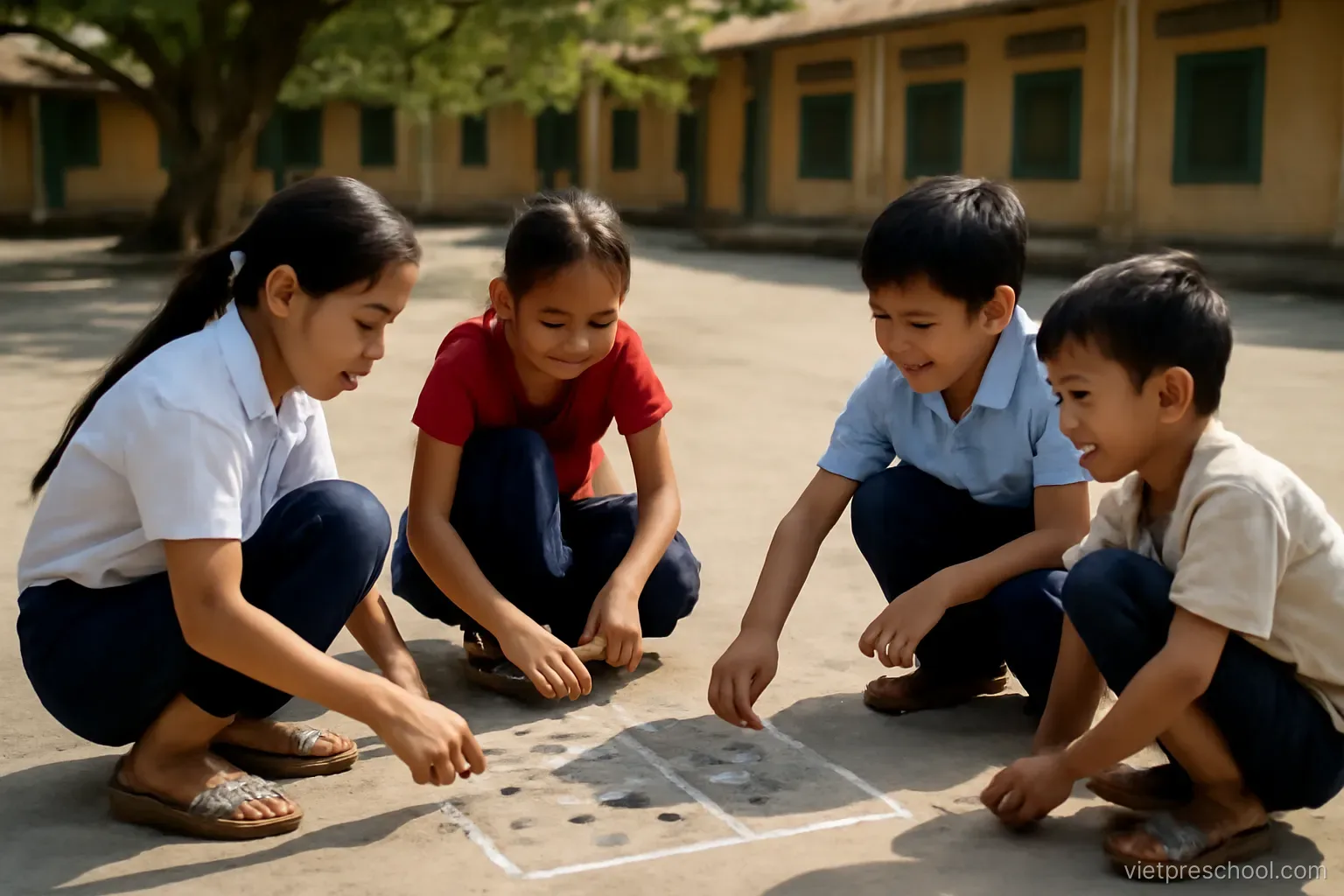
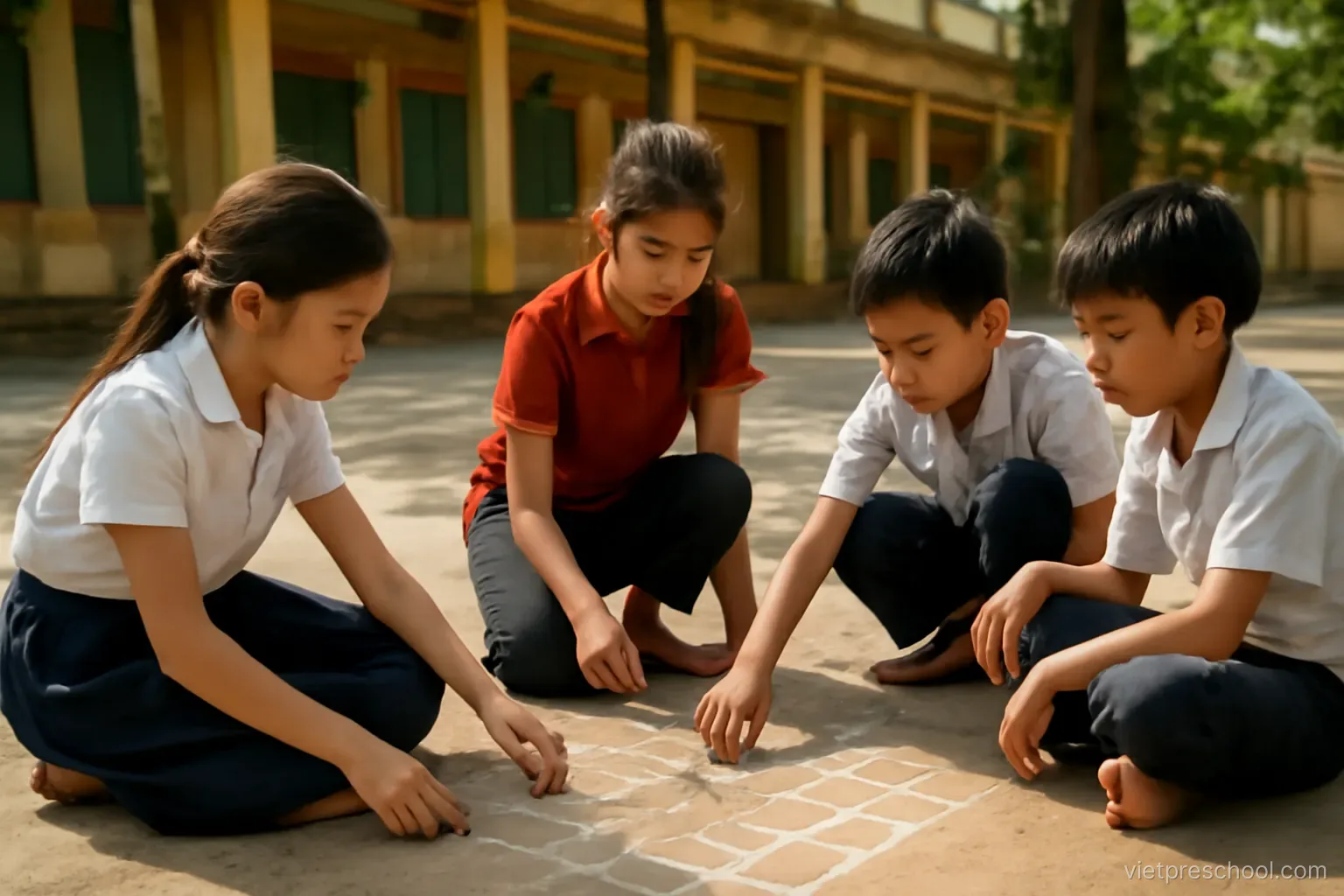
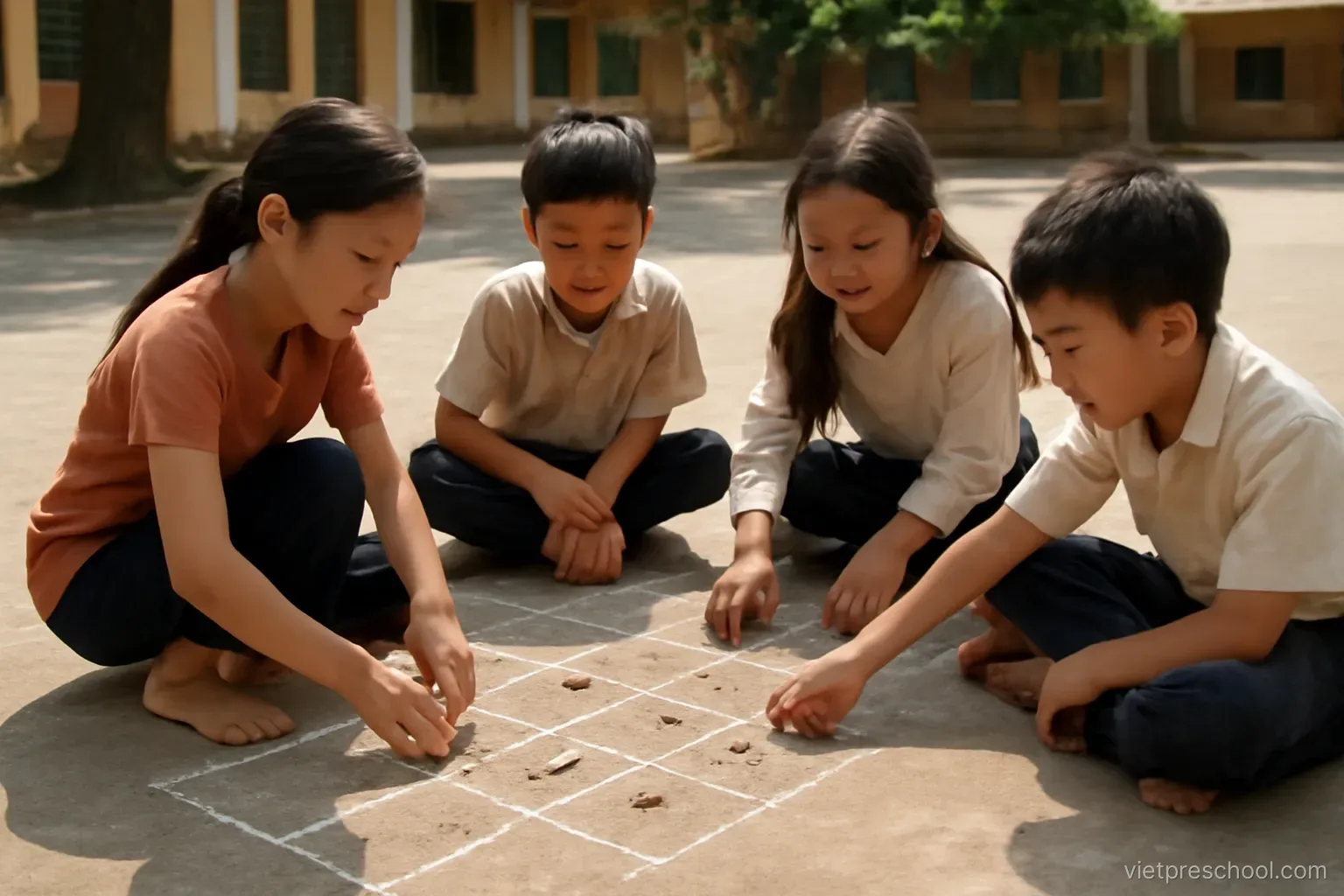
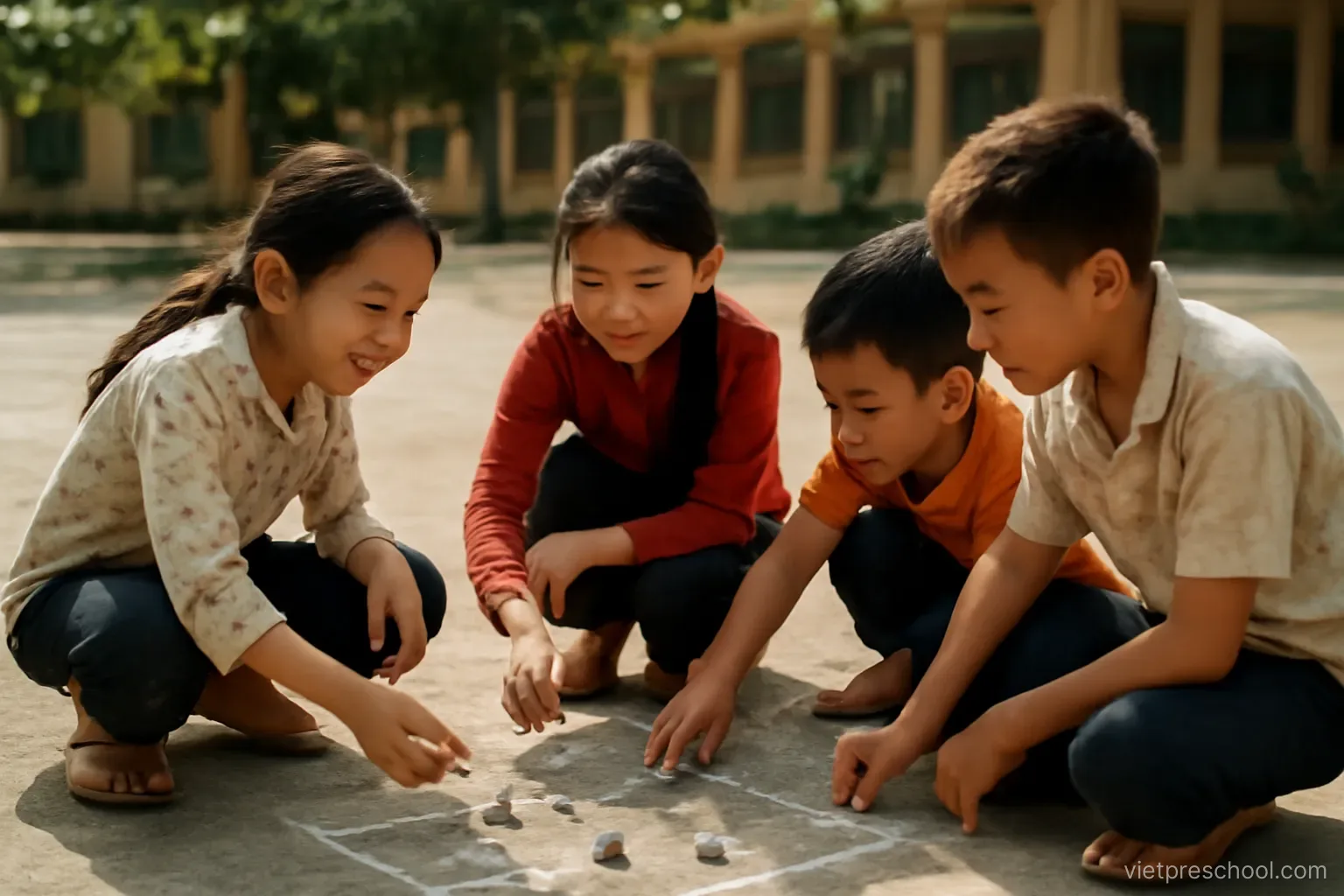
Here is the part of the picture families most often miss. Simple materials such as pebbles, chalk and rope invite improvisation, and improvisation is where creativity does its best work.
Clapping games and finger rhymes build rhythm, coordination and memory in one delightful package that children ask to repeat endlessly.
Setting up for success at home
This section repays a few minutes of careful reading.
- Outdoor group games burn energy while quietly teaching negotiation, teamwork and the art of losing gracefully.
- Songs attached to games help children memorise long strings of language without any sense of effort or study.
- Traditional games scale beautifully across ages, letting older and younger children play together in a way modern toys rarely allow.
- A family game night featuring games from the parents' own childhood doubles as cultural storytelling of the most natural kind.
Keeping traditions alive abroad
Experienced families consistently point to the following. Games with simple rules teach turn-taking and fair play more effectively than any lecture on sharing ever could.
Making toys by hand, from folded paper boats to woven palm-leaf animals, connects children to generations of makers before them.
Making it part of daily life
The essentials, arranged in order of priority, look like this. Teaching a child a game you loved at their age creates a shared memory that belongs to both of you at once.
Clapping games and finger rhymes build rhythm, coordination and memory in one delightful package that children ask to repeat endlessly.
Frequently asked questions
Can these games compete with screens?
Live play offers something screens cannot: eye contact, physical movement and shared laughter, and children reliably choose it when adults genuinely join in.
How do we keep traditions alive abroad?
Schedule them: a weekly family game session, festival gatherings with other families, and video sessions with grandparents keep traditions breathing.
What makes Vietnamese folk games valuable for development?
Traditional play builds coordination, language, patience and social skill simultaneously, all wrapped in joy, which is exactly how young children learn best.
Do we need special equipment?
Almost none: pebbles, chalk, rope and folded paper cover most traditional games, which is precisely why they have travelled across generations intact.
Related articles
Viet Preschool supports families navigating early education in Vietnam. For more on Vietnamese folk games, explore the Folk Games & Songs section, or reach us via the contact details in the footer.