
Understanding raising bicultural Vietnamese children saves families time, money and unnecessary worry. In this article, Viet Preschool takes a close look at "Two names, two homes: identity questions kids ask" from several angles, ending with answers to the questions we hear most.
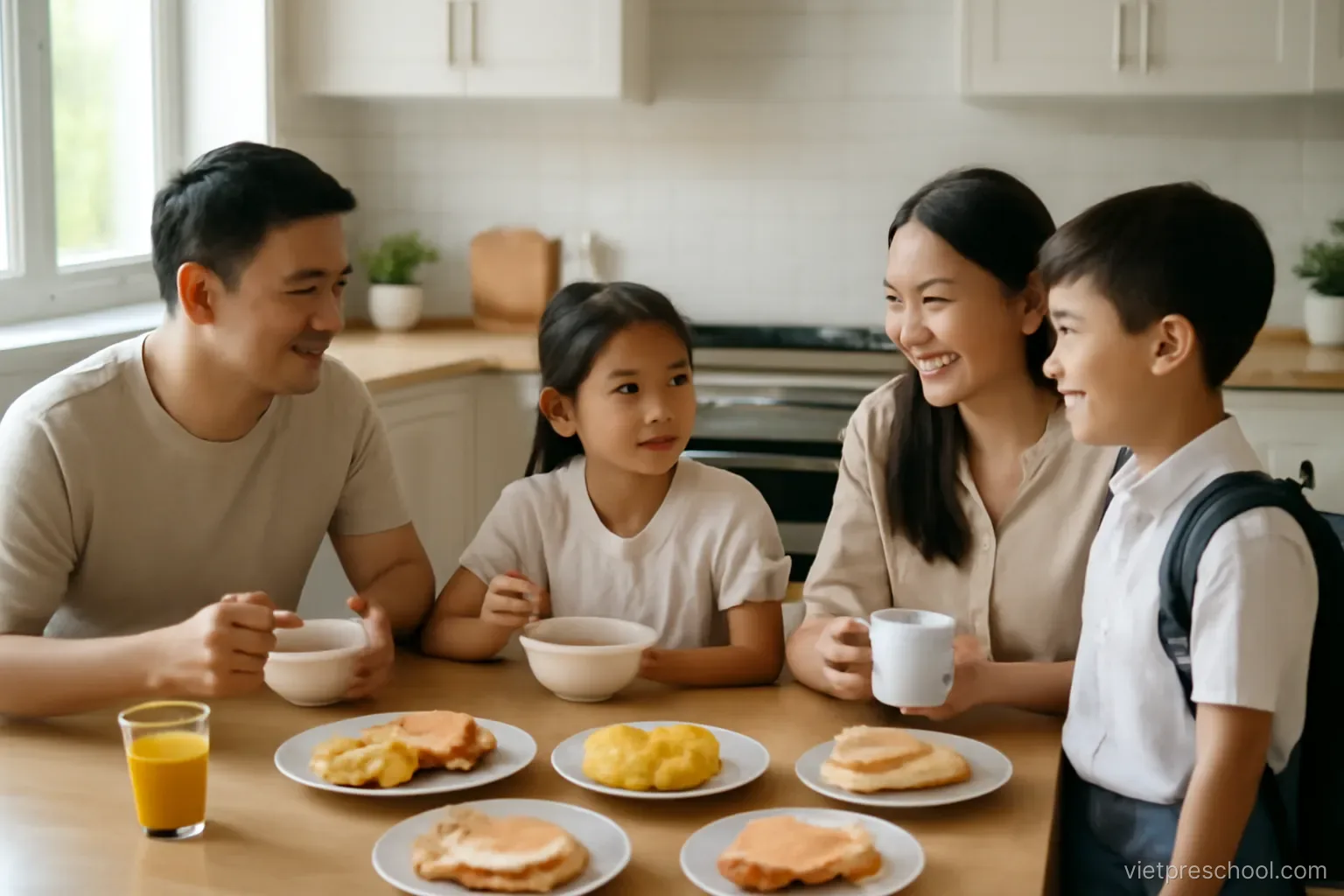
Before the details, one principle worth keeping in mind: every choice should fit your own child and family circumstances rather than anyone else's checklist. Regular family rituals, from weekend pancakes to evening walks, give children stability that carries them through changes elsewhere in life.
Routines that make life easier
Here is the part of the picture families most often miss. Children settle fastest when home routines echo school routines, so aligning nap times and meal times before the first day pays off immediately.
The first weeks at a new school commonly bring extra tiredness and bigger emotions at home, which is adjustment rather than a problem.
Supporting your child emotionally
This section repays a few minutes of careful reading. Teachers appreciate specific questions about eating, sleeping and friendships far more than a general request for updates.
Photos of family kept in a child's bag or cubby provide a small anchor of comfort during the early days away from home.
Working together as a family
Experienced families consistently point to the following.
- Every child adapts on their own timeline, and comparing siblings or classmates only adds pressure to a process that resolves naturally.
- A short, confident goodbye at drop-off is kinder than a lingering one, because children read hesitation as a reason to worry.
- Involving children in small preparations, like choosing a water bottle or packing a bag, converts anxiety into a sense of ownership.
- Grandparents offer children an irreplaceable sense of continuity, and even short video calls maintain bonds across any distance.
Small habits with big effects
The essentials, arranged in order of priority, look like this. A short, confident goodbye at drop-off is kinder than a lingering one, because children read hesitation as a reason to worry.
Teachers appreciate specific questions about eating, sleeping and friendships far more than a general request for updates.
When to be patient and when to act
A little context here prevents a lot of confusion later. Talking about the day works best through concrete questions, like who they sat beside at lunch, rather than a broad question about how school was.
Children settle fastest when home routines echo school routines, so aligning nap times and meal times before the first day pays off immediately.
Frequently asked questions
My child is exhausted after school. Is that normal?
Entirely; a full day of activity, language and social navigation is genuinely tiring, so protect early bedtimes during the first month.
How do I get meaningful updates from teachers?
Ask specific questions about eating, napping and friendships, and use the school's communication app for photos and daily notes.
What if my child cries every morning?
Morning tears that stop within minutes of your departure are a normal goodbye ritual; tears that continue all day deserve a conversation with the teacher.
How long does settling in usually take?
Most children find their rhythm within two to four weeks, with tears at drop-off fading well before that; a settled child at pickup is the truer signal.
Related articles
Viet Preschool supports families navigating early education in Vietnam. For more on raising bicultural Vietnamese children, explore the Raising Bicultural Kids section, or reach us via the contact details in the footer.