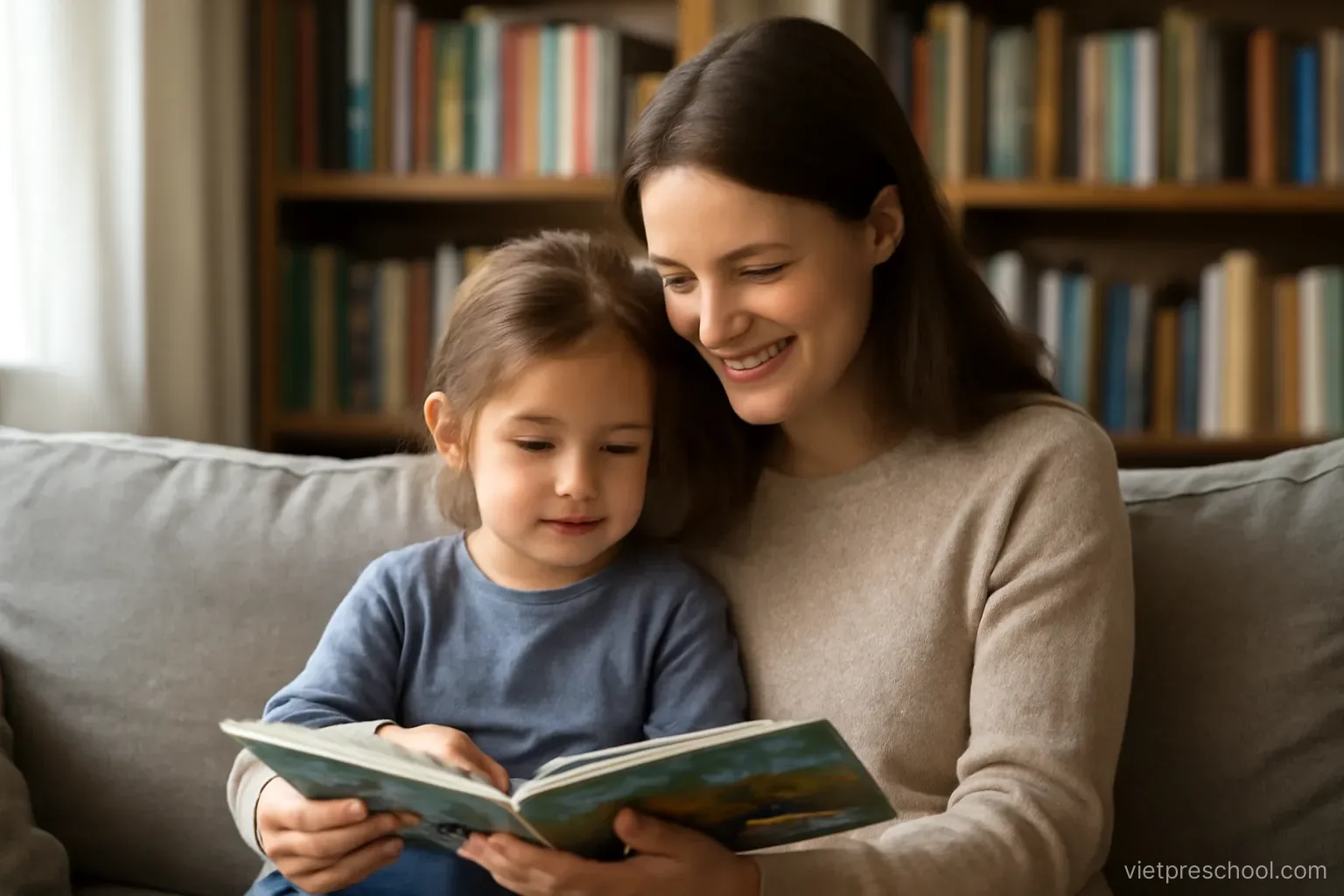
If you are researching teaching Vietnamese to children, the topic of "Raising a Vietnamese-speaking child abroad" will come up quickly. Viet Preschool has put together this article to answer it thoroughly, in plain language, with the practical details families actually need.
A small note before we begin: every child is different, so treat the guidance below as a reference frame to adapt rather than a rulebook to follow. Celebrating every attempt rather than correcting every error keeps motivation high, and motivation is the true engine of bilingualism.
Daily habits that build language
A little context here prevents a lot of confusion later. Vietnamese is a tonal language, and small ears distinguish its six tones far more easily than adult learners ever will.
Consistency beats intensity: fifteen minutes of songs, stories and conversation every day builds more language than an occasional long lesson.
Common worries and honest answers
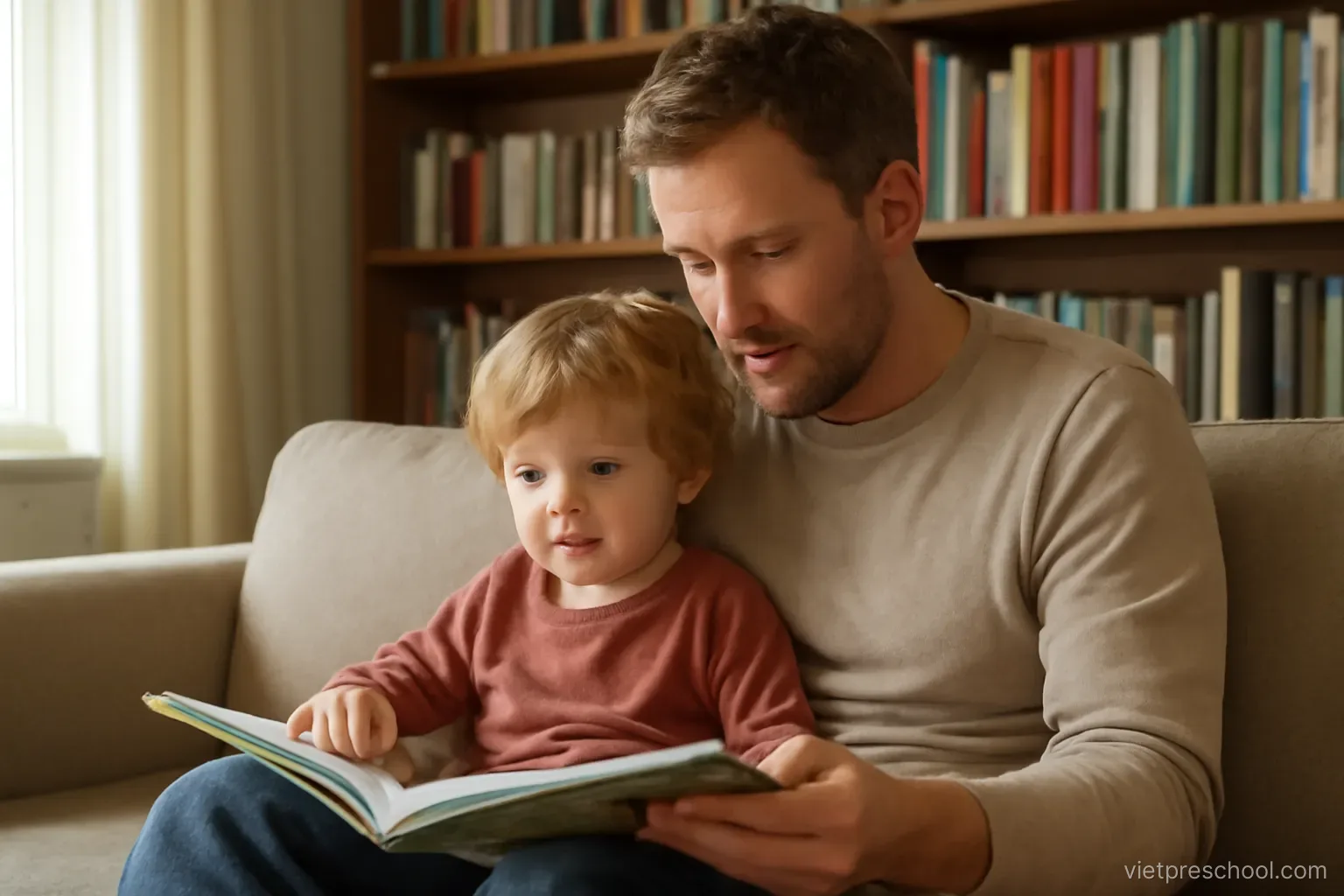
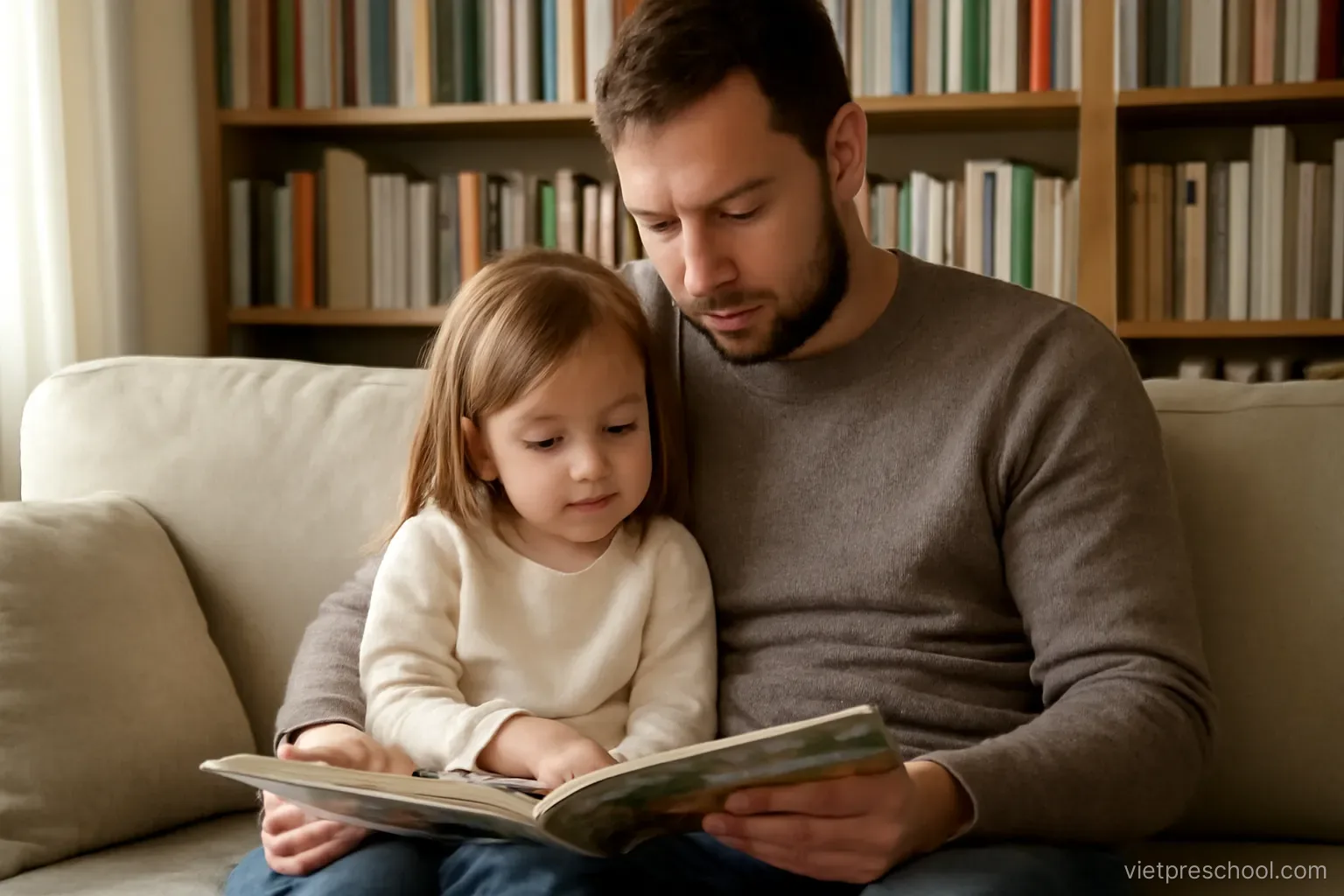
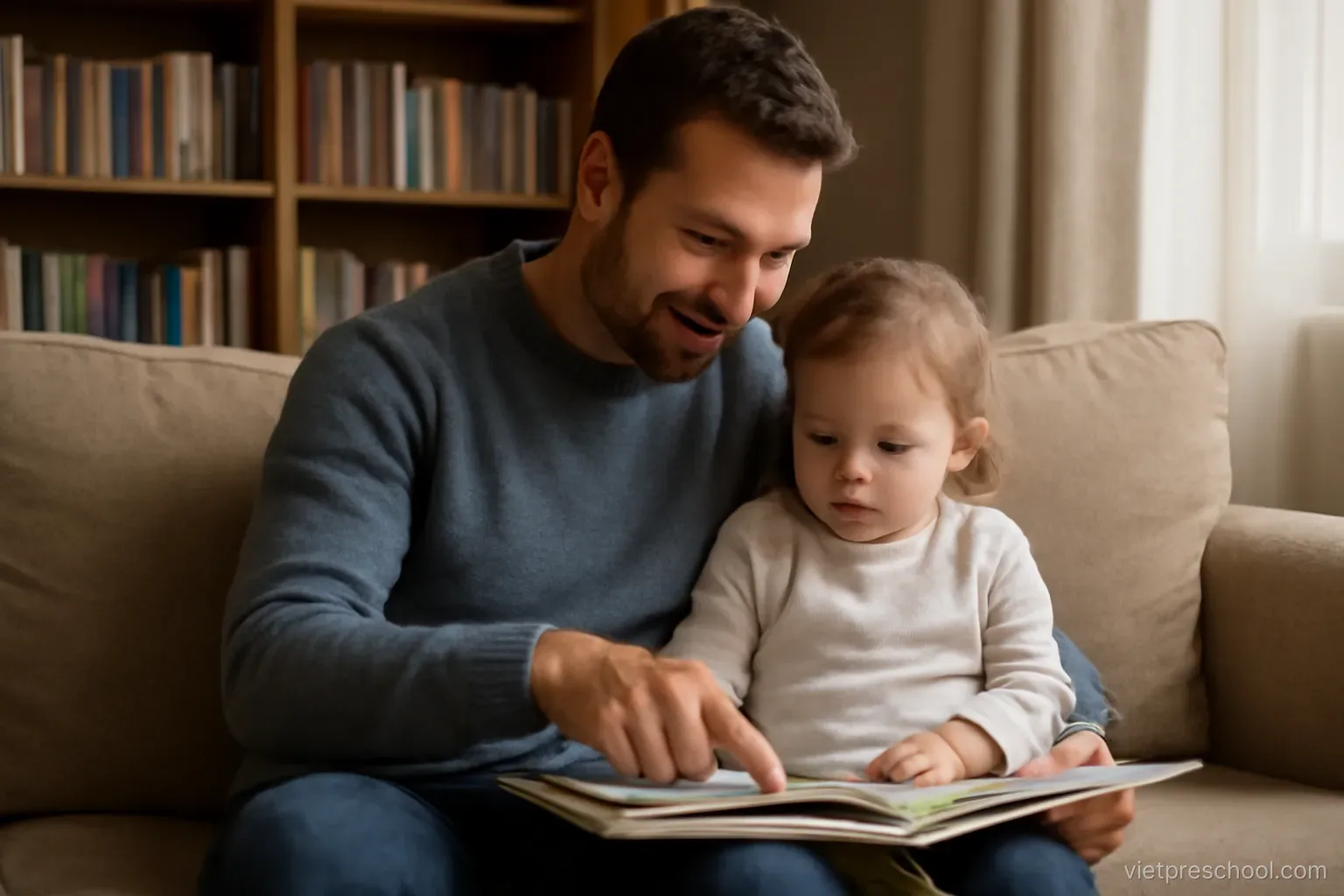
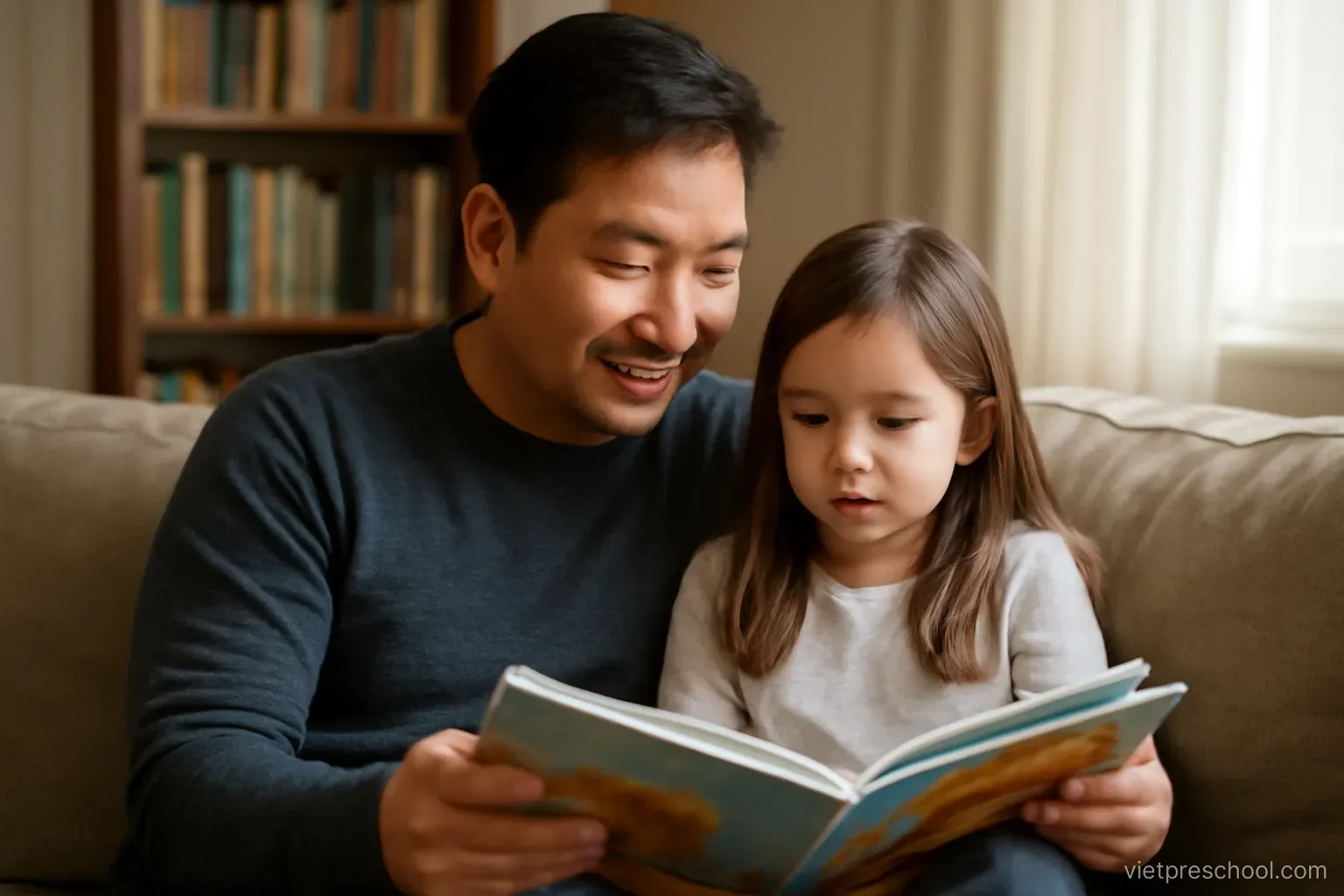
Here is the part of the picture families most often miss. Books with repetitive structures give children predictable patterns to grab onto, turning reading time into effortless language practice.
A silent period, where a child understands but declines to speak the new language, is common and resolves fastest when adults stay relaxed.
Materials and resources that help
This section repays a few minutes of careful reading.
- One-person-one-language is a popular family strategy in which each parent or caregiver consistently speaks their own language with the child.
- Songs carry pronunciation, rhythm and vocabulary in one package, which is why music is the backbone of every good early language program.
- Screen time in the target language works only as a supplement to live interaction, since language grows through conversation rather than passive viewing.
- Young children absorb the sounds of a language effortlessly before age six, which makes early exposure the single greatest gift for bilingual development.
The role of parents and caregivers
Experienced families consistently point to the following. Celebrating every attempt rather than correcting every error keeps motivation high, and motivation is the true engine of bilingualism.
Vietnamese is a tonal language, and small ears distinguish its six tones far more easily than adult learners ever will.
Keeping progress going long-term
The essentials, arranged in order of priority, look like this. Mixing two languages in one sentence is a normal stage of bilingual development, not a sign of confusion, and it fades as vocabulary grows.
Books with repetitive structures give children predictable patterns to grab onto, turning reading time into effortless language practice.
Frequently asked questions
Can parents who are not fluent still help?
Yes: playing songs, reading simple books together, video-calling relatives and celebrating every attempt matter more than parental perfection.
How much daily exposure is enough?
Consistency wins: fifteen to thirty minutes of genuine interaction daily outperforms occasional intensive sessions, especially when woven into play and routines.
Will a second language delay speech?
Research consistently says no; bilingual children may distribute vocabulary across two languages early on, but overall milestones remain on schedule.
When should we start with teaching Vietnamese to children?
The earlier the better: before age six, children absorb sounds and patterns effortlessly, and even prenatal and infant exposure to songs lays groundwork.
Related articles
Viet Preschool supports families navigating early education in Vietnam. For more on teaching Vietnamese to children, explore the Teaching Vietnamese to Kids section, or reach us via the contact details in the footer.