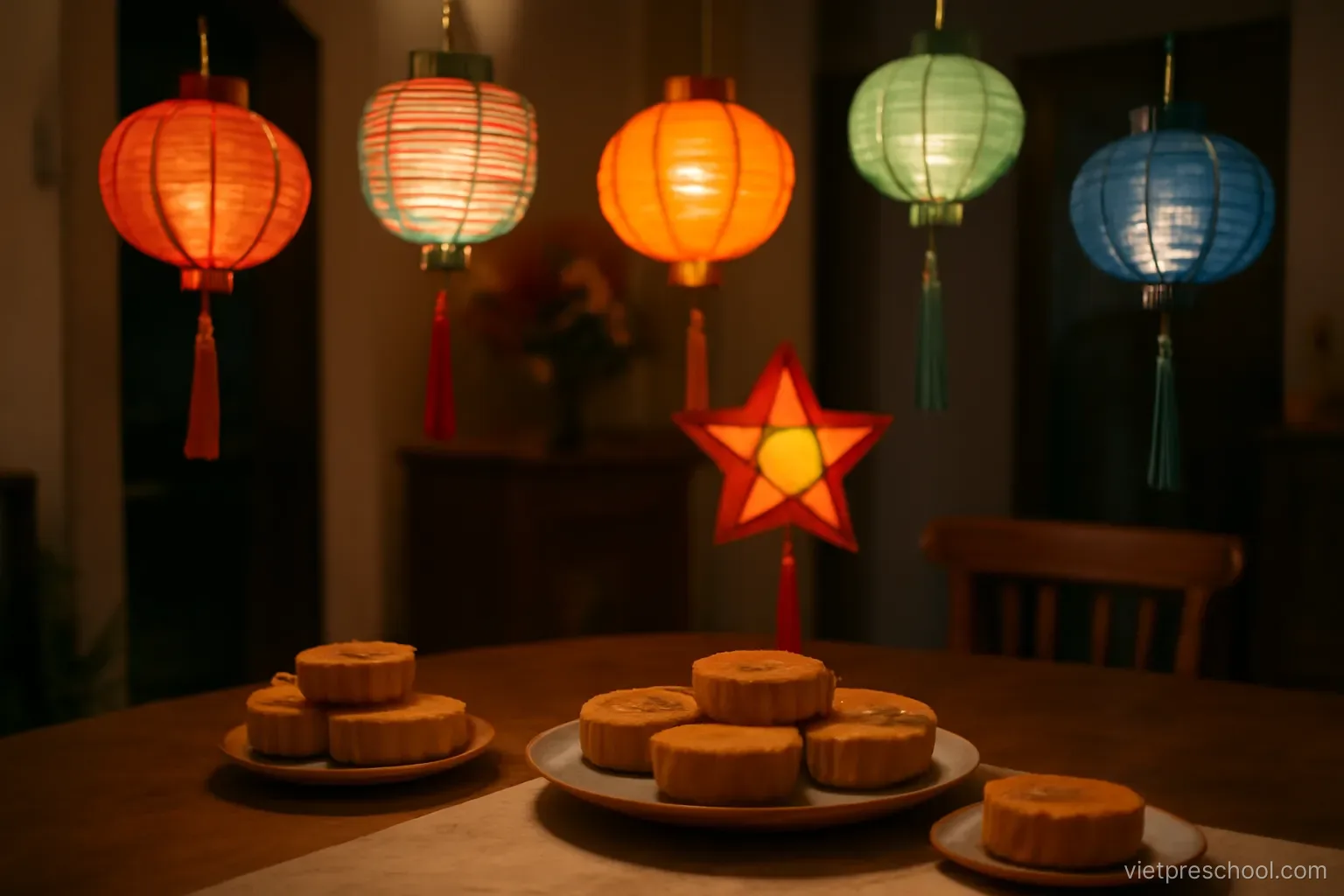
Understanding Vietnamese parenting values saves families time, money and unnecessary worry. In this article, Viet Preschool takes a close look at "Gratitude and humility: small daily rituals" from several angles, ending with answers to the questions we hear most.
The article is organised from overview to specifics, with a question-and-answer section at the end, so feel free to jump to the part that matches your situation. Folk tales carry moral lessons about kindness, honesty and perseverance, and remain a beloved storytelling tradition in classrooms and homes alike.
A gentle way to explain it to kids
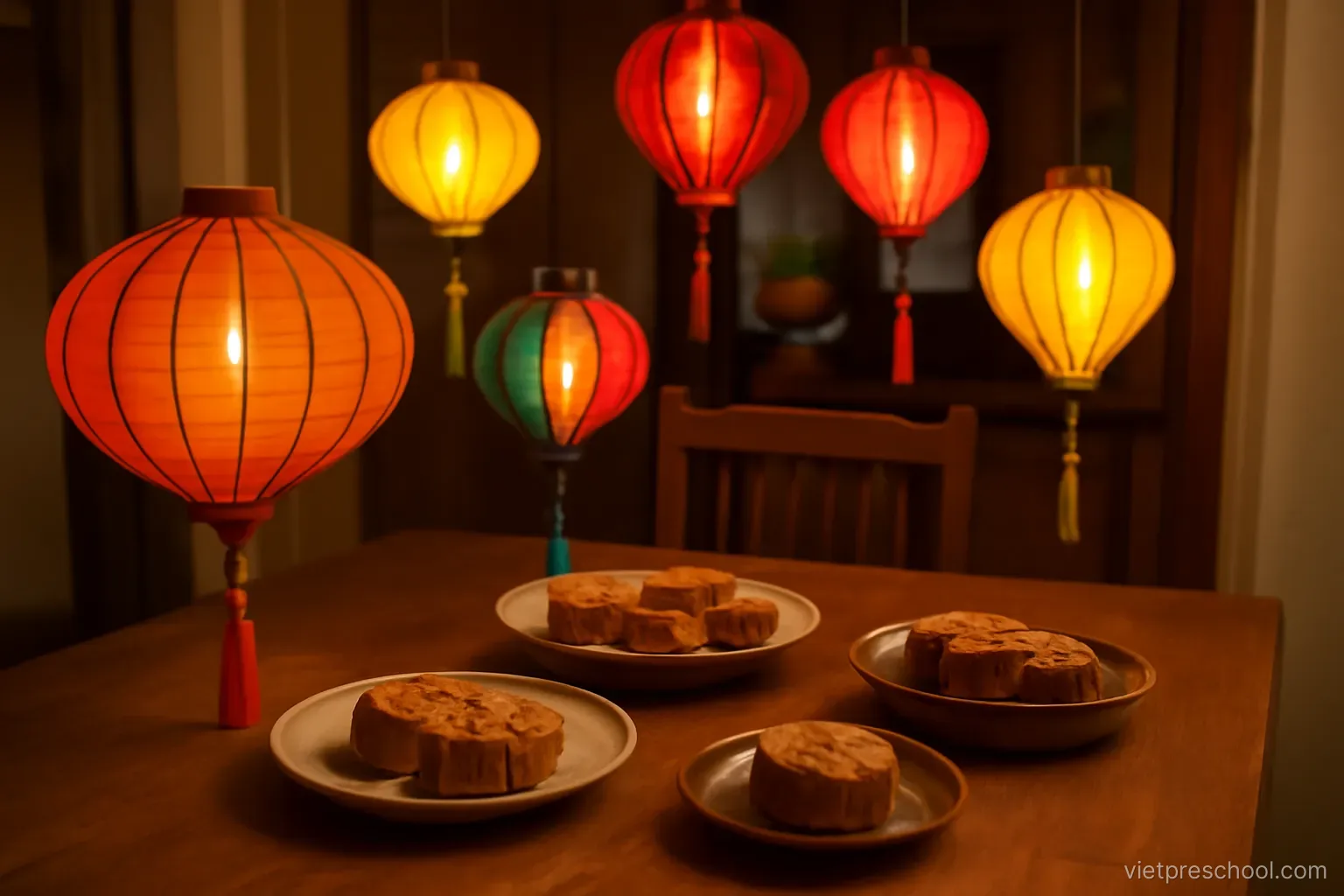
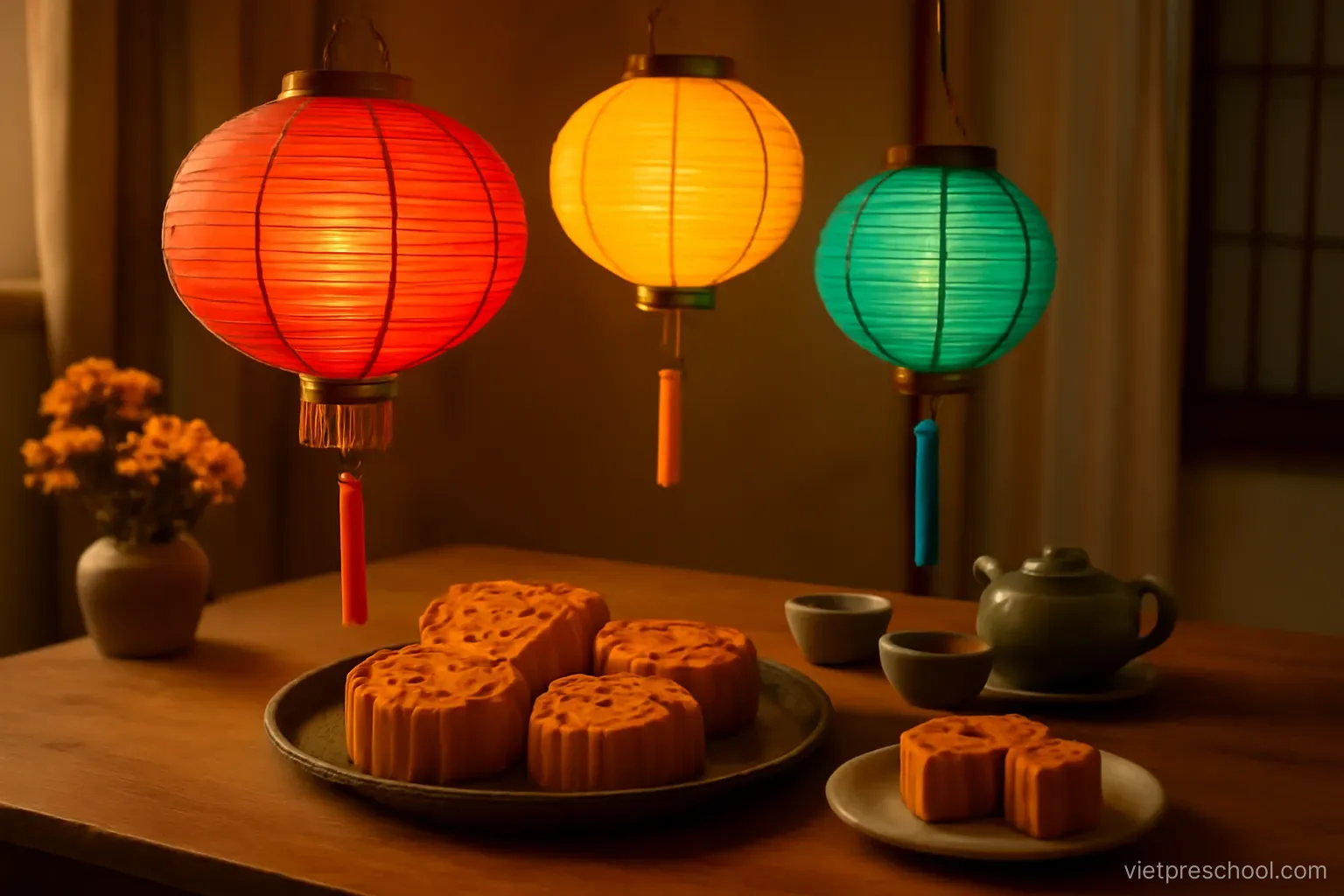
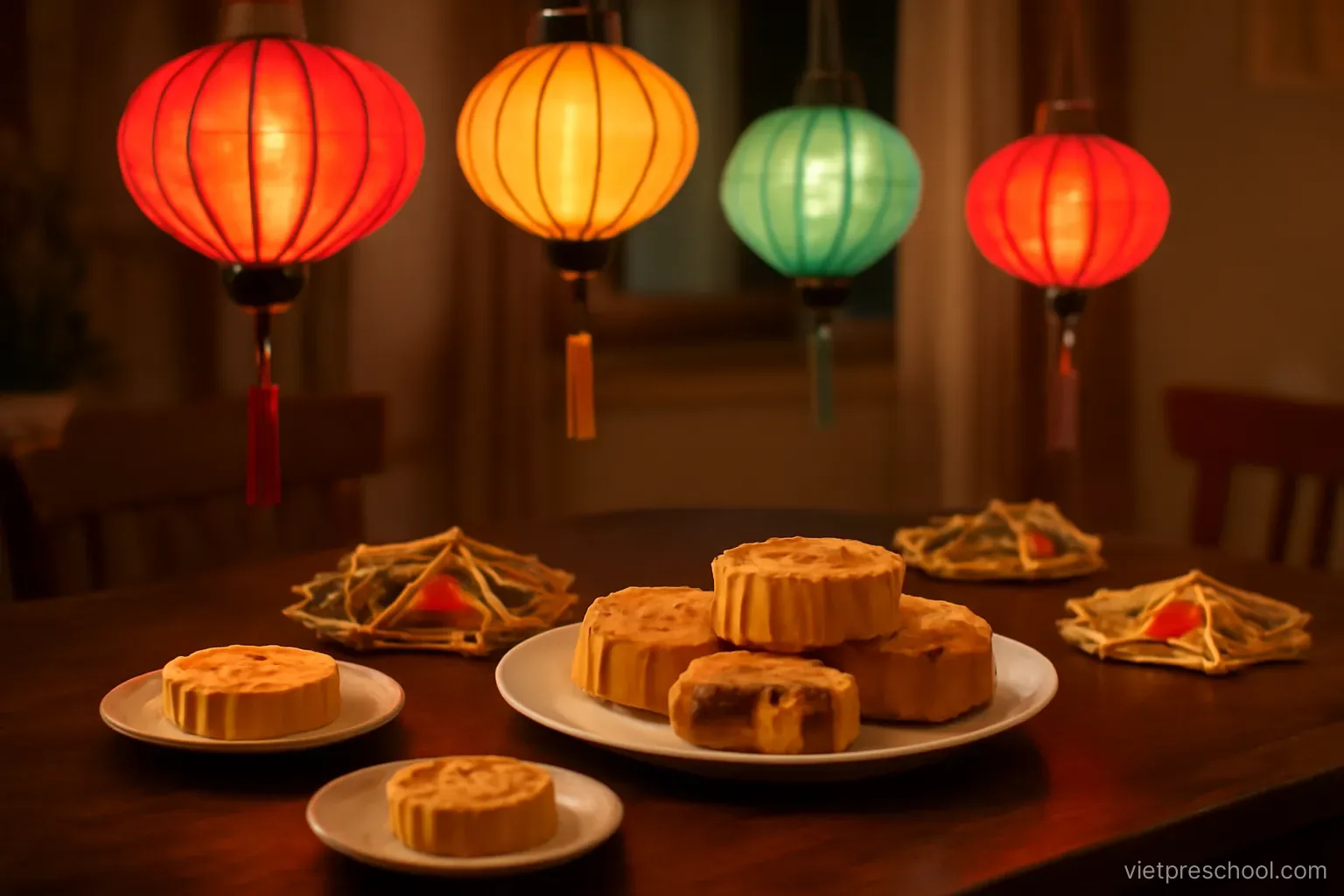
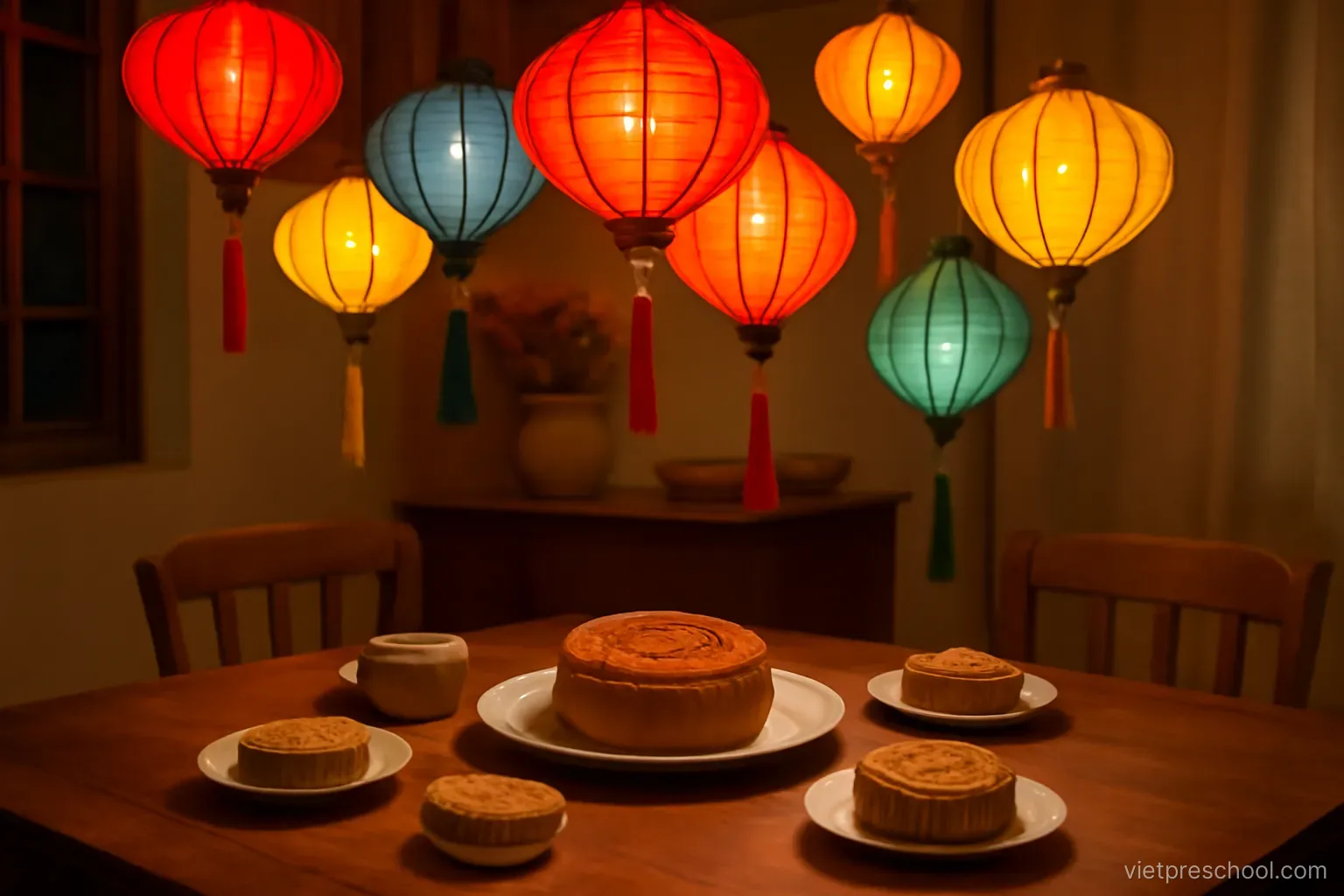
This section repays a few minutes of careful reading. Festivals punctuate the school year, with Tet and the Mid-Autumn Festival celebrated through crafts, performances and shared meals that children remember for years.
Respect for teachers runs deep in Vietnamese tradition, and Teacher's Day on the twentieth of November is marked with flowers, cards and heartfelt songs.
Adapting traditions to modern life
Experienced families consistently point to the following. Lullabies and playground rhymes preserve vocabulary and melody together, giving children an emotional connection to the language before they can read.
Community is expressed through food, and sharing dishes at festivals teaches children that celebration in Vietnam is always collective.
Why it matters for identity
The essentials, arranged in order of priority, look like this.
- Ancestor remembrance is a gentle, everyday presence in Vietnamese family life, usually explained to children simply as gratitude to those who came before.
- Vietnamese culture places family at the centre of a child's world, and schools reinforce values of respect, gratitude and community from the earliest age.
- The Vietnamese language encodes relationships in its pronouns, so learning how to address grandparents, teachers and friends is itself a lesson in social awareness.
- Traditional games need nothing more than chalk, pebbles or a length of rope, which makes them wonderfully portable across generations and borders.
The meaning behind Vietnamese parenting values
A little context here prevents a lot of confusion later. Folk tales carry moral lessons about kindness, honesty and perseverance, and remain a beloved storytelling tradition in classrooms and homes alike.
Traditional games need nothing more than chalk, pebbles or a length of rope, which makes them wonderfully portable across generations and borders.
Traditions and how they are practised
Here is the part of the picture families most often miss. Respect for teachers runs deep in Vietnamese tradition, and Teacher's Day on the twentieth of November is marked with flowers, cards and heartfelt songs.
Mealtime is treated as education: children learn to invite elders to eat first, to try every dish and to thank the person who cooked.
Frequently asked questions
Can we celebrate Vietnamese festivals abroad?
Absolutely, and doing so is one of the strongest heritage anchors: mooncakes, lanterns and a shared meal recreate the essence anywhere in the world.
Why are folk tales so central?
They carry moral lessons in memorable form, connect children to generations of listeners before them, and build vocabulary through vivid, repeated telling.
How do I explain Vietnamese parenting values to my child?
Keep it concrete and joyful: children grasp traditions through food, songs, decorations and stories long before they understand abstract explanations.
Will cultural practices conflict with our own values?
Vietnamese school culture centres on respect, gratitude and community, values that travel well; anything unfamiliar is usually a form rather than a conflict.
Related articles
Viet Preschool supports families navigating early education in Vietnam. For more on Vietnamese parenting values, explore the Vietnamese Parenting Values section, or reach us via the contact details in the footer.